Complete Guide to 12 Types of Structural Steel Beams: Specifications, Weight Calculations, Codes & Isometric Symbols
Structural engineering and steel fabrication beams form the load-bearing skeleton of industrial and commercial construction throughout Pakistan. Understanding beam types, specifications, weight calculations, and design codes ensures safe, economical facility design. This comprehensive guide details 12 essential beam types, their properties, applications, calculation methods, relevant codes, and isometric drawing symbols for engineers and designers.
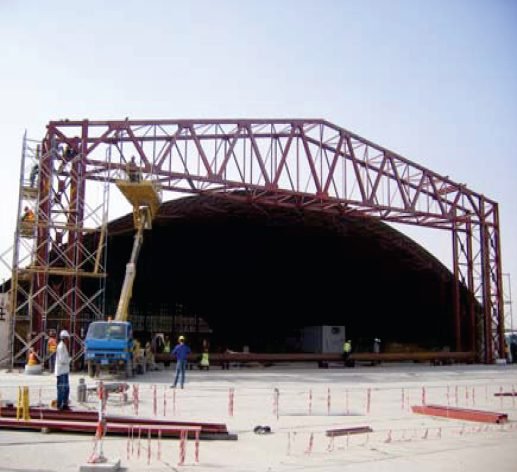
Professional structural design services ensure safe beam selection.
Introduction to Structural Steel Beams
Steel beams efficiently transfer loads over long spans (20+ meters typical) minimizing intermediate supports required by concrete construction. Modern steel construction reduces project timelines, simplifies foundations for buildings, and enables large column-free manufacturing spaces. Pakistan Standard Code (PSC) Section G addresses structural steel design aligning with international practices ensuring consistent quality.
Beam design expertise optimizes load transfer efficiency.
Type 1: I-Beams (Rolled Universal Beams)
Specifications and Properties
I-beams feature symmetric I-shaped cross-sections with equal flanges and web. Common sizes in Pakistan:
- ISMB 100: Weight 10.37 kg/m, depth 100mm, ideal for light loads
- ISMB 300: Weight 44.2 kg/m, depth 300mm, common structural applications
- ISMB 500: Weight 98.3 kg/m, depth 500mm, heavy industrial structures
Weight Calculations
Total beam weight = (unit weight in kg/m) × (length in meters) × (quantity)
Example: ISMB 300 spanning 10 meters = 44.2 kg/m × 10m = 442 kg total
Applications
I-beams serve as primary structural members in steel frame buildings, industrial plants, and bridge construction due to optimal strength-to-weight ratio.
Type 2: Channel Sections (Rolled Channels)
Specifications
Channel sections feature C-shaped profiles with back-to-back flanges. Common sizes:
- ISMC 50: Weight 4.64 kg/m, common in light structural work
- ISMC 150: Weight 18.3 kg/m, used in medium structures
- ISMC 400: Weight 63.6 kg/m, heavy structural and industrial applications
Weight Formula
Weight calculation identical to I-beams: unit weight × length × quantity
Applications
Channels serve as secondary beams, lintels, truck bed frames, and cable trays due to good strength and simplified connections.
Type 3: Angles (Rolled Angles)
Specifications
Angle sections feature perpendicular flanges creating L-shaped cross-sections. Common sizes:
- ISA 25×25×3: Weight 1.29 kg/m, light bracing members
- ISA 100×100×8: Weight 12.4 kg/m, primary bracing and connections
Weight Calculations
Single angle weight = unit weight × length
Back-to-back angles (common in columns): double the single angle weight plus small adjustment for connection plates
Applications
Angles provide economical bracing, tension members, and column construction through multiple angle combinations.
Type 4: Flat Plates and Sheets
Specifications
Plates provide flat surfaces for connections, bases, and specialized applications. Grades (e.g., Fe250, Fe410) and thicknesses (10-50mm typical) selected per design requirements.
Weight Calculations
Plate weight = 7.85 (steel density) × thickness (mm) × width (m) × length (m) ÷ 1000
Example: 12mm × 300mm × 600mm plate = 7.85 × 12 × 0.3 × 0.6 ÷ 1000 = 16.9 kg
Applications
Base plates, connection plates, floor decking, and fabricated structures use flat plates.
Type 5: Hollow Rectangular Tubes (RHS)
Specifications
Hollow rectangular sections provide efficient strength with minimal weight. Common sizes:
- 50×50×2.65: Weight 3.85 kg/m, lightweight structures
- 200×100×5: Weight 21.6 kg/m, industrial structures
Weight Formulas
RHS weight = [(height + width) × 2 – 4 × thickness] × thickness × 7.85 ÷ 1000
Applications
Hollow sections excel in architectural applications, machine frames, and trusses requiring visual appeal alongside structural performance.
Type 6: Circular Hollow Tubes (CHS)
Specifications
Circular hollow sections maximize torsional rigidity ideal for rotating machinery supports. Common sizes:
- 100×2.65: Weight 7.57 kg/m
- 300×8: Weight 57.1 kg/m, industrial applications
Weight Formulas
CHS weight = π × (diameter – thickness) × thickness × 7.85 ÷ 1000
Applications
Circular tubes serve in machinery frames, rotating equipment supports, and aesthetically-conscious structural design.
Types 7-12: Additional Structural Sections
Type 7 – Taper Flange Beams (TFB): Reduced flange thickness toward web improving fatigue properties and reducing weight
Type 8 – Wide Flange Beams (WFB): Wider flanges than standard I-beams providing superior moment capacity
Type 9 – Sheeting Channels: Lightweight profiles for wall and roof decking
Type 10 – Flange Beam Columns: Symmetrical sections optimized for column applications
Type 11 – Rolled Tees: T-sections from beam splitting reducing fabrication costs
Type 12 – Zed Purlins: Z-shaped sections for roof and wall support economically replacing angles
Design Codes and Standards
Relevant Codes in Pakistan
Structural steel design must comply with established codes including Pakistan Standard Code (PSC) Section G, international standards (AISC, Eurocode 3), and specific regulations for industrial applications.
Key Design Considerations
Design codes address material properties, allowable stresses, connection design, and safety factors ensuring safe structures.
Isometric Symbols and Drawing Standards
Standard isometric representations help communicate design intent through consistent symbols for different section types in engineering drawings ensuring clarity across Pakistan’s engineering community.
Weight Calculation Summary Tables
Comprehensive weight tables accelerate design work enabling quick reference without calculations for standard sections commonly used in Pakistan projects.
Practical Design Examples
Real-world examples demonstrating beam selection, sizing, and weight calculations for typical industrial structures guide engineers in practical applications.
MHN Engineers: Structural Steel Design and Supply
MHN Engineers provides comprehensive structural steel services including design per international codes, supplier coordination, fabrication oversight, and quality verification. Our expertise spans industrial facilities, warehouse structures, and commercial buildings throughout Lahore, Faisalabad, and Sheikhupura. Contact MHN Engineers for professional structural steel design and material procurement services.