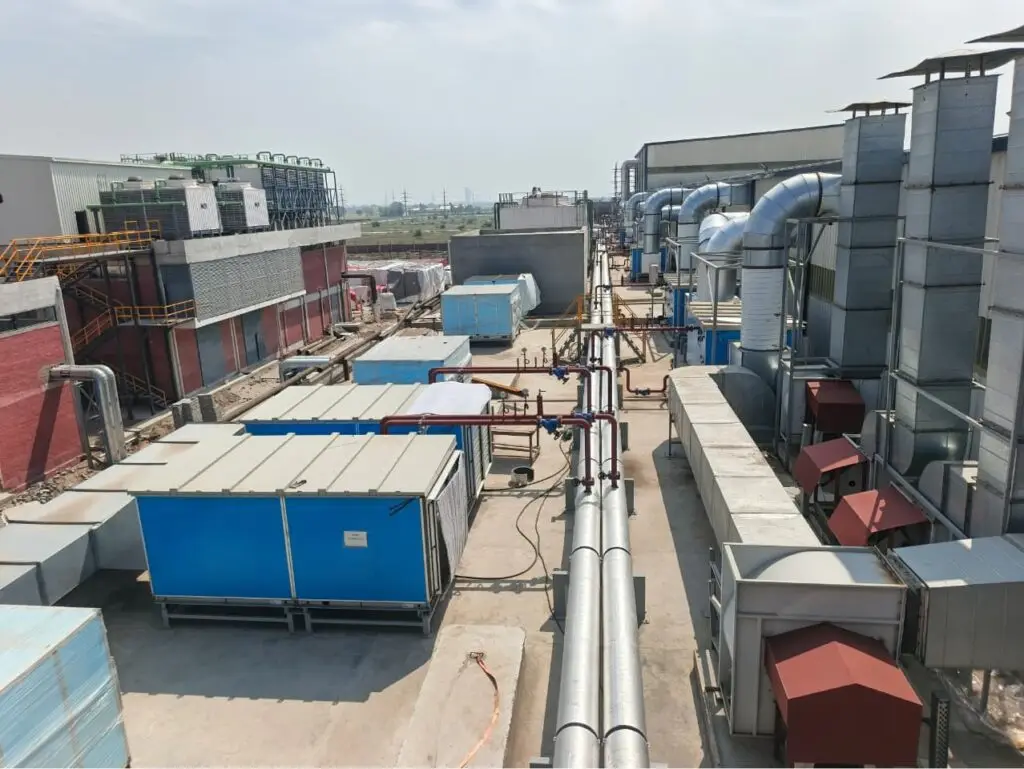
Fire Protection Systems – Compliance & Safety
Industrial fire protection systems represent critical safety infrastructure protecting personnel, facilities, and business continuity. Comprehensive fire protection systems combining detection, suppression, and emergency response capabilities comply with international safety standards while safeguarding operations. This guide details fire protection system design, installation, and compliance requirements for manufacturing facilities across Pakistan.
Fire Protection System Components and Design
Fire Detection Systems
Early fire detection enables rapid response preventing catastrophic losses through:
- Heat Detectors: Fixed temperature (70-80°C typical) or rate-of-rise models detecting temperature increases exceeding normal conditions
- Smoke Detectors: Photoelectric or ionization models detecting visible smoke or combustion products
- Flame Detectors: Infrared or ultraviolet sensors detecting flame radiation for rapid response in high-hazard areas
- Manual Pull Stations: Allows personnel to manually activate alarms during emergencies
Fire Suppression Systems
Automatic suppression systems rapidly extinguish fires before spread to adjacent areas:
- Wet Pipe Sprinkler Systems: Water-filled pipes discharging automatically when heat activates sprinkler heads, standard for most applications
- Dry Pipe Systems: Air-pressurized pipes activating manually or through detection, used in unheated areas
- Pre-action Systems: Dual condition (detection + pressure) systems preventing accidental discharge in sensitive areas
- Gas Suppression Systems: Non-corrosive agents (CO2, FM-200, Inergen) for electrical and data center protection
- Foam Suppression Systems: Aqueous film-forming foam (AFFF) for petroleum and flammable liquid fires
Safety Standards and Compliance Requirements
International Fire Codes and Standards
Fire protection systems are critical industrial safety components must comply with recognized standards including:
- NFPA 13: Installation of Sprinkler Systems (United States standard, widely adopted)
- NFPA 72: National Fire Alarm Code governing detection and alarm systems
- NFPA 2001: Clean Agent Fire Extinguishing Systems standard
- ASME Section VIII: Pressure vessel design standards for suppression agent tanks
- ISO 3864: Safety signs and symbols establishing universal fire safety communication
Local Compliance in Pakistan
Pakistani facilities must comply with:
- Building Code of Pakistan incorporating fire safety requirements
- National Fire Protection Association (NFPA) standards adopted by local authorities
- Factory Act 1934 and subsequent amendments requiring fire safety measures
- Insurance company requirements for coverage eligibility
- Industry-specific regulations for hazardous operations
Fire Protection System Design Considerations
Hazard Assessment and Classification
Proper fire protection design begins with hazard analysis classifying facility occupancy:
- Light Hazard: Low fire load (office buildings, schools) – lower sprinkler density requirements
- Ordinary Hazard (Group 1): Moderate fire load with combustible contents (manufacturing facilities)
- Ordinary Hazard (Group 2): Higher combustible content requiring increased protection
- Extra Hazard: High-fire-load operations requiring intensive sprinkler coverage and redundancy
Water Supply Requirements
Fire protection system effectiveness depends on adequate water supply providing:
- Sufficient volume for full system discharge (typically 30-60+ minutes)
- Adequate pressure (minimum 20 PSI at highest sprinkler head)
- Redundancy through multiple water sources (public mains, storage tanks, alternative supplies)
- Backup power for pump systems ensuring operation during emergencies
Sprinkler Head Selection and Spacing
Proper sprinkler design ensures effective coverage including:
- Head type selection (pendant, upright, sidewall) based on ceiling configuration
- Proper spacing (typically 150-200 sq ft coverage per head depending on hazard)
- Height adjustments for obstructed areas
- Quick-response or standard response selection based on occupancy type
Installation and Testing Procedures
System Installation Requirements
Professional installation includes:
- Proper pipe sizing for calculated flow rates
- Correct gradient and pitch for water drainage
- Approved fittings and materials throughout system
- Proper hanger and support spacing preventing sagging or stress
- Seismic bracing in earthquake-prone regions
Pressure Testing and Commissioning
Before system activation, comprehensive testing verifies proper operation:
- Hydrostatic pressure testing (1.5x working pressure for 2 hours minimum)
- Functional testing of all detection and alarm components
- Flow testing verifying adequate system discharge
- Documentation of all test results and certificates
Maintenance and Inspection Schedules
Regular Inspection Requirements
Fire protection system reliability requires ongoing maintenance:
- Monthly: Visual inspection of sprinkler heads, control valves, alarms
- Annually: Professional testing of pressure gauges, alarm systems, water flow
- 5 Years: Flow testing of water supplies and hydrant connections
- 10 Years: Internal pipe inspection using video cameras detecting corrosion
Maintenance Documentation
Comprehensive records document system condition and maintenance history enabling regulatory compliance and insurance coverage verification.
Safety protocols prepare personnel for fire emergencies.
Emergency Response Procedures
Fire protection system effectiveness requires trained personnel implementing proper emergency procedures:
- Personnel evacuation following designated exits and procedures
- Assembly point accountability ensuring all personnel accounted for
- Fire brigade notification and emergency responder coordination
- Post-fire system inspection restoring functionality for continued protection
MHN Engineers provides comprehensive fire protection and safety systemional Fire Protection System Services
MHN Engineers designs, installs, and maintains comprehensive fire protection systems meeting international standards and local regulations. Our certified engineers assess facility hazards, design appropriate suppression systems, ensure code compliance, and provide ongoing maintenance services. Contact MHN Engineers for professional fire protection system solutions protecting your personnel and facilities across Lahore, Faisalabad, and Sheikhupura.