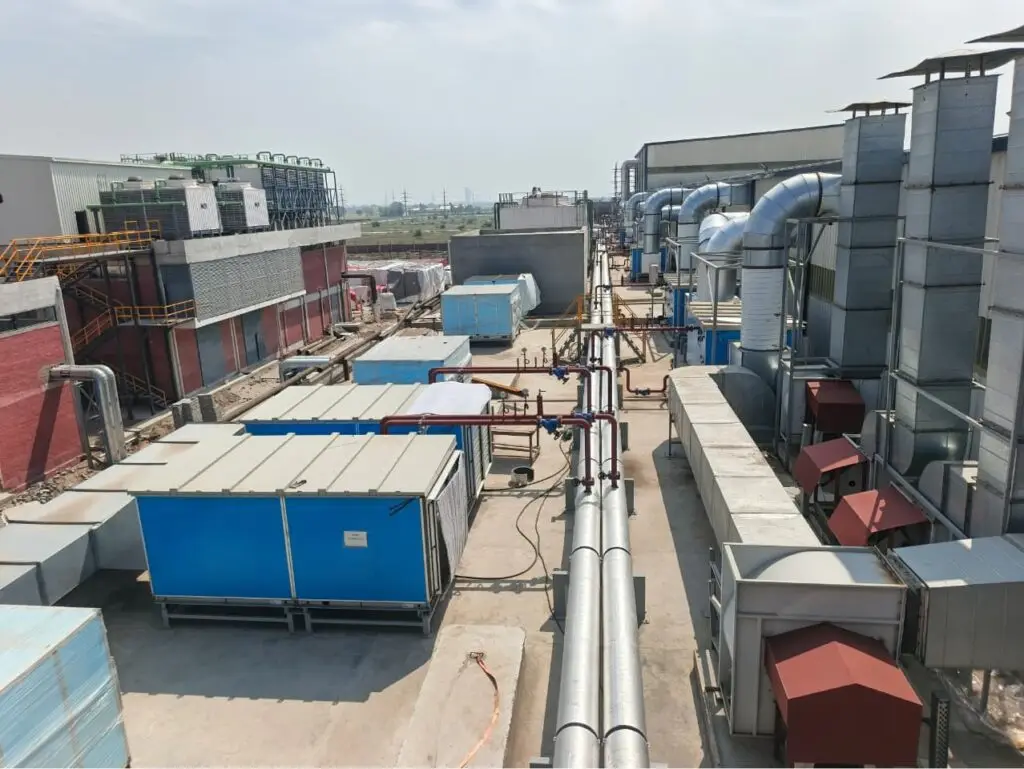
Thermal Oil System Efficiency Guide
Thermal oil heating systems power industrial processes across manufacturing facilities providing reliable, consistent heat for textile dyeing, plastic extrusion, pharmaceutical manufacturing, and food processing applications. Optimizing thermal oil system efficiency directly reduces operating costs, extends equipment lifespan, and improves process reliability. This comprehensive guide details efficiency improvement strategies for thermal oil systems throughout their operational lifecycle.
Thermal oil systems provide reliable thermal management solutions essential for industrial operations.
Understanding Thermal Oil System Fundamentals
Thermal oil systems circulate heated oil through process equipment transferring heat efficiently across wide temperature ranges (typically 200-400°C). Unlike water-based systems, thermal oil enables high-temperature operation without pressure vessel requirements, reducing equipment costs and complexity. However, thermal oil requires systematic management maintaining efficiency and preventing degradation.
Our industrial solutions enhance thermal system performance significantly.
Key Components Affecting System Efficiency
Heater Design and Operation
The furnace or heater represents the primary energy consumer in thermal oil systems. Efficiency optimization includes:
- Fuel Selection: Natural gas (cleanest, most efficient) vs. diesel/heavy fuel oil (lower efficiency, higher emissions)
- Combustion Optimization: Proper air-fuel ratio maximizing heat transfer to oil
- Heat Recovery: Economizers recovering waste heat from exhaust gases for water preheating
- Insulation: Proper refractory and external insulation minimizing heat loss
- Operating Temperature: Maintaining optimal inlet/outlet temperatures matching process requirements
Oil Quality Management
Thermal oil degradation directly reduces system efficiency requiring vigilant quality monitoring:
- Oil Contamination: Particulate matter (>2 microns) reduces heat transfer efficiency requiring filtration
- Water Content: Absorbed moisture accelerates oil oxidation requiring regular water removal
- Viscosity Changes: Viscosity degradation reduces flow efficiency affecting pump performance
- Oxidation Stability: Chemical degradation at high temperatures reduces heat transfer properties
Circulation Pump Performance
n
Regular maintenance improves efficiency—similar to our cooling system maintenance protocols.
Pump efficiency significantly affects system energy consumption:
- Proper pump sizing matching system flow requirements
- Regular bearing lubrication maintaining smooth operation
- Seal inspection preventing internal leakage reducing efficiency
- Impeller condition verification preventing erosion and wear
Professional thermal engineering expertise optimizes system performance.
Efficiency Optimization Strategies
System Temperature Control
Maintaining optimal operating temperatures improves thermal oil efficiency:
- Outlet Temperature Control: Match process requirements exactly; overheating wastes energy
- Inlet Temperature Optimization: Proper return temperature ensures efficient heater operation
- Temperature Uniformity: Balanced distribution across parallel process equipment
- Thermal Cycling: Minimize rapid heating/cooling cycles reducing stress and degradation
Pipe and Equipment Insulation
Thermal insulation reduces energy losses significantly:
- Pipe insulation (typically 50-100mm thickness) reducing heat loss up to 90%
- Equipment insulation minimizing environmental heat release
- Valve and fitting insulation preventing hot spot temperature drops
- Regular inspection ensuring insulation integrity
Process Equipment Optimization
Process equipment modifications improve overall system efficiency:
- Heat exchanger performance verification ensuring clean, efficient operation
- Equipment surface cleanliness preventing fouling reducing heat transfer
- Flow distribution improvements ensuring uniform heating
- Equipment maintenance extending component life and efficiency
Monitoring and Preventive Maintenance
Oil Analysis and Testing
Regular oil analysis prevents efficiency loss through degradation:
- Viscosity Testing: Monthly checks detecting degradation requiring oil change
- Acid Number (TAN): Measures oxidation level; high TAN indicates end-of-life oil
- Flash Point: Safety parameter indicating thermal breakdown
- Water Content: Moisture levels affecting efficiency and stability
- Particle Count: Contaminant levels affecting heat transfer efficiency
Filtration Systems
Effective filtration maintains oil cleanliness and efficiency:
- High-efficiency cartridge filters (10-25 micron) removing contaminants
- Automatic bypass protection preventing filter collapse during cold starts
- Regular filter replacement maintaining flow capacity
- Centrifuge units for water removal in contamination events
Expansion Tank Management
Proper expansion tank operation prevents efficiency loss and safety issues:
- Adequate tank volume accommodating thermal expansion
- Inert gas blanket (nitrogen) preventing oxygen absorption
- Regular pressure verification maintaining proper blanket pressure
- Level monitoring ensuring adequate oil supply to system
Equipment Replacement and Upgrades
Heater Upgrade Benefits
Modern heater designs improve efficiency 10-20% compared to older systems through:
- Advanced combustion controls optimizing air-fuel ratios
- Improved insulation reducing heat losses
- Heat recovery systems capturing waste energy
- Modulating burners matching load requirements reducing cycling losses
Pump and Drive Optimization
Variable frequency drive (VFD) installation on circulation pumps provides:
- Energy savings 20-40% through speed modulation matching load
- Reduced pump wear through controlled acceleration
- Improved process temperature stability
Common Thermal Oil System Problems
Problem: Declining Heat Transfer – Solution: Oil testing, filter replacement, equipment cleaning, potential oil change
Problem: Excessive Energy Consumption – Solution: Heater efficiency testing, insulation inspection, temperature control verification
Problem: Temperature Instability – Solution: Control system calibration, circulation verification, heat exchanger effectiveness testing
Problem: Premature Oil Degradation – Solution: Filtration improvement, water removal, oxidation inhibitor enhancement
MHN Engineers: Thermal Oil System Efficiency Services
MHN Engineers provides comprehensive thermal oil system optimization including efficiency audits, heater performance testing, oil analysis coordination, filtration upgrades, equipment maintenance, and system modernization. Our expertise improves thermal oil system efficiency reducing operating costs while extending equipment lifespan. Contact MHN Engineers for thermal oil system efficiency analysis and improvement services across Lahore, Faisalabad, and Sheikhupura.