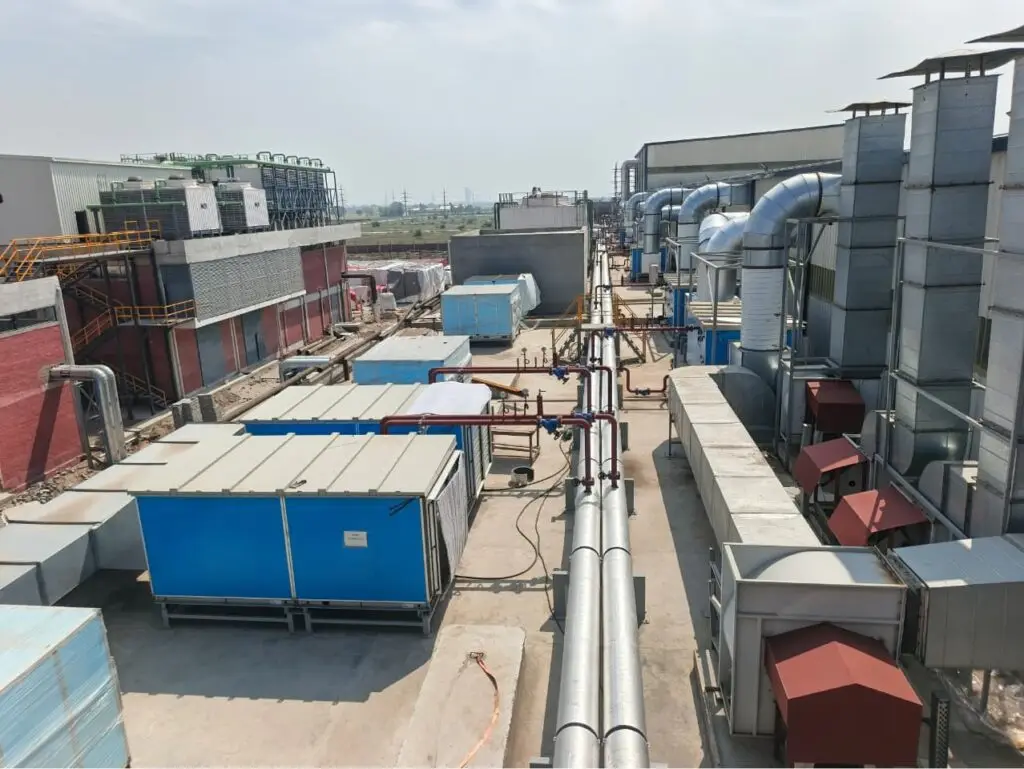
Textile Industry Machinery Installation Best Practices
Professional textile industry machinery installation directly determines production efficiency, product quality, and equipment longevity. This comprehensive guide covers best practices for installing critical textile machinery in manufacturing facilities across Pakistan, from initial site preparation through commissioning and operational startup.
Understanding Textile Industry Machinery Requirements
Modern textile manufacturing requires sophisticated machinery systems including spinning frames, weaving looms, knitting machines, dyeing and finishing equipment, and packaging systems. Successful textile industry machinery installation demands coordination between equipment manufacturers, installation specialists, facility engineers, and quality assurance teams to ensure optimal performance and compliance with international standards.
Pre-Installation Planning and Logistics
Site Assessment and Preparation
Before textile industry machinery installation, comprehensive site assessment verifies foundation strength, floor levelness, utility availability, and environmental controls. Textile machinery operates within strict specifications requiring:
- Foundation Requirements: Machine-specific load calculations ensure foundations support machinery weight plus dynamic forces during operation. Concrete strength, thickness, and reinforcement must meet equipment manufacturer specifications
- Floor Levelness: Precision leveling (±2mm over 10 meters typical) ensures machinery calibration accuracy and prevents uneven wear
- Vibration Isolation: Damping systems minimize machinery vibration affecting product quality and surrounding equipment
- Environmental Controls: Temperature stability (±2°C), humidity control (50-65% RH), and dust-free environments preserve product quality
Utility Infrastructure Verification
Verify electrical capacity, compressed air availability, steam supply, water access, and effluent systems before textile industry machinery installation. Power requirements for modern mills range from 500 KW to 5 MW depending on machinery complexity. Three-phase power supply with backup generators ensures uninterrupted production during grid disruptions.
Machinery Installation Procedures
Equipment Delivery and Inspection
Upon textile machinery delivery, inspect for shipping damage, component completeness, and specification compliance. Document all deliveries with photographic evidence and detailed inspection reports establishing baseline conditions before installation begins.
Foundation Installation and Leveling
Professional foundation work represents critical textile industry machinery installation groundwork. Installation specialists:
- Mark machine centerlines and anchor points with precision theodolites
- Install mounting bolts and anchors to manufacturer specifications
- Use precision shims and epoxy grouting for accurate machine leveling
- Verify levelness using optical instruments meeting equipment requirements
- Ensure proper bolt torque specifications preventing loosening during operation
Machine Assembly and Component Integration
Complex textile machinery arrives in sub-assemblies requiring careful assembly during textile industry machinery installation. Assembly procedures include:
- Shaft alignment and coupling verification preventing vibration and failure
- Belt and drive system installation with tension calibration
- Electrical wiring and control system integration by certified technicians
- Hydraulic and pneumatic system installation with fluid testing
- Calibration of sensors and control systems ensuring proper operation
Quality Assurance During Textile Machinery Installation
Testing and Commissioning
Thorough testing validates textile industry machinery installation success before production startup:
- No-Load Testing: Equipment operates under no load verifying smooth operation and control responsiveness
- Load Testing: Gradual load increases verify machinery handles full production requirements
- Quality Testing: Initial production samples verify output meets specifications
- Performance Testing: Speed, efficiency, and quality metrics compared against manufacturer guarantees
Documentation and Records
Comprehensive documentation of textile industry machinery installation creates essential maintenance records including alignment measurements, bolt torque specifications, calibration certificates, and performance baselines guiding future maintenance.
Common Installation Mistakes to Avoid
Successful textile industry machinery installation avoids critical errors including:
- Inadequate foundation preparation leading to machinery settling and misalignment
- Improper machine leveling affecting product quality and causing premature failure
- Insufficient utility capacity causing voltage fluctuations and control system problems
- Inadequate operator training resulting in improper machine use and damage
- Skipped commissioning procedures leading to undiscovered problems during production
- Poor documentation preventing efficient maintenance and troubleshooting
Comprehensive post-installation support ensures smooth operations.
Post-Installation Support and Training
Professional textile industry machinery installation includes comprehensive operator and maintenance training ensuring:
- Staff understand machinery operation and control systems
- Preventive maintenance procedures maintain equipment performance
- Troubleshooting protocols rapidly resolve operational issues
- Safety procedures protect personnel and equipment
- Quality control processes maintain product specifications
Performance Optimization After Installation
Following textile industry machinery installation, ongoing optimization improves efficiency and reduces costs:
- Machine speed optimization balances productivity and quality
- Energy consumption monitoring identifies efficiency improvements
- Preventive maintenance scheduling extends equipment life
- Production data analysis optimizes scheduling and resource allocation
MHN Engineers: Professional Textile Machinery Installation Services
MHN Engineers provides specialized textile industry machinery installation services including site assessment, foundation preparation, equipment installation, system integration, quality testing, and comprehensive operator training. Our experienced team has successfully installed textile machinery in facilities throughout Lahore, Faisalabad, and Sheikhupura, delivering on-time startup and reliable long-term performance. Contact MHN Engineers for professional textile machinery installation meeting international quality standards.