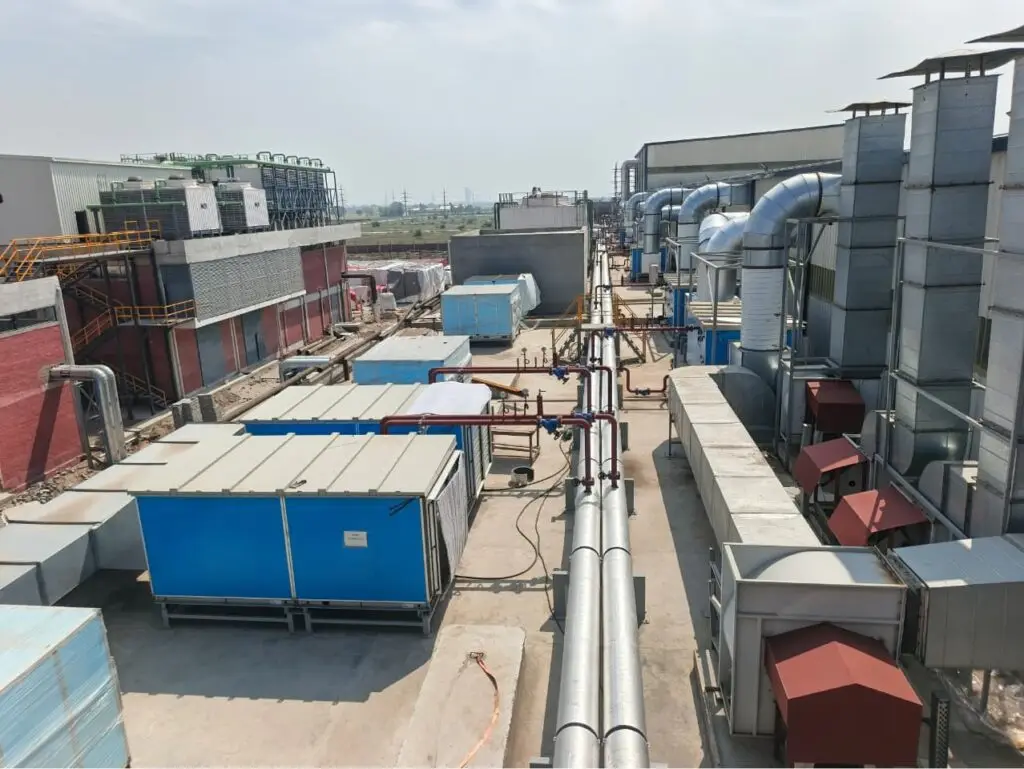
BOPP Plant Setup: Complete Guide for Manufacturers
Setting up a BOPP (Biaxially Oriented Polypropylene) film manufacturing plant is a complex undertaking requiring significant investment, technical expertise, and careful project management. This comprehensive guide covers critical aspects of BOPP plant establishment, from site selection to operational readiness, helping manufacturers achieve successful production launch in Pakistan.
Our BOPP plant setup expertise ensures successful implementation.
Understanding BOPP Film Manufacturing
Biaxially Oriented Polypropylene (BOPP) film represents one of the most versatile polymeric materials in modern packaging and industrial applications. The BOPP manufacturing process involves extruding molten polypropylene, stretching it in two directions (machine direction and transverse direction), and heat-setting to create films with exceptional properties including clarity, strength, and dimensional stability. BOPP films find applications in food packaging, labeling, magnetic tape, capacitor films, thermal insulation, and industrial protection—making BOPP plant setup a lucrative investment for manufacturers serving diverse markets.
Professional facility planning optimizes BOPP plant location selection.
Plant Location and Site Selection Strategy
Location selection significantly impacts operational costs, product competitiveness, and supply chain efficiency. When considering BOPP plant setup sites in Pakistan, manufacturers should evaluate multiple critical factors:
Proximity to Raw Materials
Access to quality polypropylene resin suppliers reduces transportation costs and ensures consistent feedstock availability. Consider proximity to ports where virgin PP resin arrives from international suppliers, typically in Karachi or Port Qasim.
Energy Infrastructure Access
BOPP manufacturing is energy-intensive, requiring 3-5 MW of continuous electrical power plus substantial steam generation capacity. Sites with reliable grid connection, backup power options, and natural gas availability significantly reduce operational expenses. Industrial zones in Lahore, Faisalabad, and Sheikhupura offer established utility infrastructure for BOPP plant setup.
Transportation and Logistics Networks
Proximity to highways, railways, and ports facilitates raw material inbound logistics and finished product distribution. Strategic location reduces working capital tied up in inventory and logistics costs.
Skilled Labor Availability
Access to technically trained workforce, engineering colleges, and industrial experience centers ensures reliable staffing for BOPP plant operations and maintenance. Industrial cities provide better talent availability than remote locations.
Environmental and Regulatory Compliance
Verify local environmental regulations, waste management facilities, effluent treatment requirements, and industrial zoning compliance before finalizing BOPP plant setup locations. Proper environmental infrastructure protects investments from regulatory interruptions.
Comprehensive Utility Infrastructure Requirements
Successful BOPP plant setup demands sophisticated utility infrastructure supporting continuous high-volume production. Inadequate utility planning represents a primary reason for BOPP plant startup delays and operational inefficiencies.
Electrical Power Systems
BOPP manufacturing typically requires 3-5 MW continuous power for extrusion units, film stretching machinery, winding systems, compressors, and facility operations. Design electrical distribution for peak load requirements plus 20% headroom. Install backup power (diesel generators or UPS systems) ensuring production continuity during grid disruptions—critical for time-sensitive film orders.
Steam Generation and Thermal Energy
Steam powers film stretching, drying, heat-setting, and facility heating systems. Install boilers with capacity for main production demand plus auxiliary systems. High-efficiency boilers reduce fuel consumption and operating costs. Consider co-generation systems capturing waste heat from machinery to generate additional steam.
Water Supply and Treatment Systems
BOPP plants require high-purity water for cooling, steam generation, and cleaning operations. Install multi-stage water treatment including filtration, ion exchange, and reverse osmosis (RO) systems producing water meeting manufacturing specifications while managing wastewater properly.
Compressed Air Systems
Pneumatic controls, automation systems, and auxiliary equipment depend on clean, dry compressed air. Install oil-free compressors with dryers and filters ensuring consistent air quality throughout BOPP plant setup.
Machinery and Equipment Selection for BOPP Plant Setup
Modern BOPP manufacturing integrates specialized machinery performing sequential production steps:
Extrusion Equipment
Twin-screw extruders melt and homogenize polypropylene resin while removing contaminants. Equipment selection depends on production capacity (40-250 kg/hour for various plant sizes) and film thickness requirements. Quality extruders ensure consistent melt temperature and pressure critical for film properties.
Film Stretching Systems
Sequential stretching in machine direction (MD) and transverse direction (TD) creates biaxial orientation conferring superior strength, clarity, and barrier properties. Modern systems feature automated temperature control and stretch ratio optimization for consistent film quality.
Coating and Lamination Units
Optional coating systems apply adhesion promoters, anti-blocking agents, or functional coatings enhancing film properties for specific applications. This value-addition increases profit margins significantly.
Slitting and Winding Equipment
Automatic slitting systems cut film to customer specifications while winding equipment provides consistent tension and film quality. Modern systems include automatic core insertion, tension controls, and web-guiding technology.
Quality Control Systems and Testing Infrastructure
Successful BOPP plant setup integrates comprehensive quality monitoring throughout production:
- Thickness Measurement Systems: Online gauges monitor film thickness variation (±10% tolerance typical) throughout production
- Optical Property Testing: Haze, gloss, and clarity meters verify film transparency meeting customer specifications
- Mechanical Property Testing: Tensile strength, tear strength, and elongation testing ensure film robustness
- Statistical Process Control (SPC): Data collection systems track performance trends enabling proactive quality adjustments
- Laboratory Equipment: Gel permeation chromatography (GPC), differential scanning calorimetry (DSC), and thermal analysis equipment verify polymer properties
Operational Readiness and Staff Training Programs
Before BOPP plant startup, comprehensive training programs ensure operators understand:
- Machinery operation procedures and control systems
- Preventive maintenance schedules and troubleshooting protocols
- Quality control procedures and testing methodologies
- Safety protocols and emergency response procedures
- Environmental compliance and waste management procedures
Experienced start-up professionals from equipment manufacturers and engineering firms supervise initial production runs, resolving startup issues and optimizing production parameters.
MHN Engineers: Your BOPP Plant Setup Partner
MHN Engineers provides end-to-end BOPP plant setup services including detailed feasibility studies, site selection analysis, equipment procurement and installation, utility infrastructure design, quality control system implementation, and comprehensive operator training. With established operations in Faisalabad, Lahore, and Sheikhupura, we bring local expertise and global best practices to your BOPP manufacturing venture. Contact MHN Engineers today for professional BOPP plant setup guidance tailored to your production requirements and investment objectives.