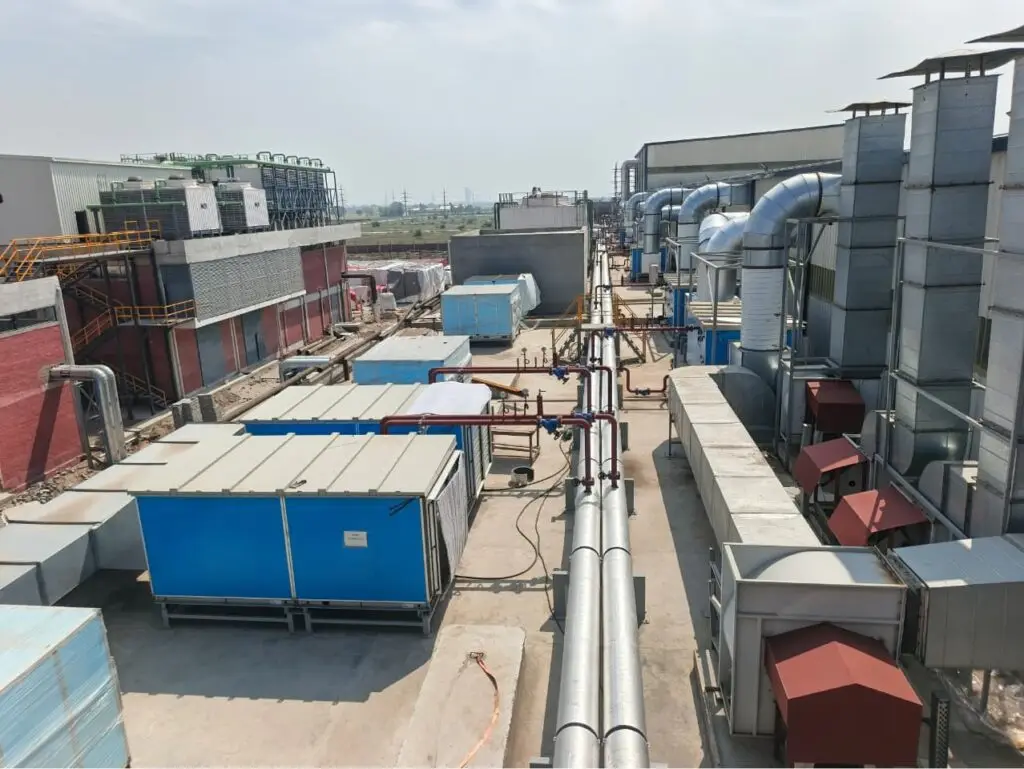
Boiler Installation Safety Checklist
Professional boiler installation combines precise engineering, stringent safety protocols, and comprehensive testing ensuring reliable steam generation supporting industrial operations. Improper boiler installation creates serious safety risks including explosions, water quality problems, and operational failures. This comprehensive boiler installation safety checklist ensures compliance with international standards while establishing reliable, safe operations. Contact our boiler experts.
Our professional boiler installation services ensure safety and compliance throughout the process.
Pre-Installation Planning and Assessment
Site Evaluation and Preparation
Successful boiler installation begins with comprehensive site assessment verifying:
- Foundation Capacity: Structural analysis confirming foundation supports full boiler weight plus dynamic loads during operation
- Floor Loading: Verification of adequate floor strength for equipment weight distribution
- Space Requirements: Sufficient room for installation, maintenance access, and future repairs
- Structural Reinforcement: Determining need for additional structural support or reinforcement
- Environmental Conditions: Assessment of temperature, humidity, and corrosive atmospheres affecting equipment life
Utility Infrastructure Verification
Boiler installation depends on adequate utility infrastructure including:
- Fuel Supply: Natural gas capacity verification or oil tank installation with proper containment
- Electrical Supply: Three-phase power capacity for feedwater pumps, combustion controls, and auxiliaries
- Water Supply: High-quality feedwater meeting boiler specifications (low hardness, low dissolved solids)
- Drainage: Proper drainage systems for blowdown and washout operations
- Steam Discharge: Adequate piping to process equipment without excessive line losses
Boiler Delivery and Initial Inspection
Delivery Inspection Protocol
Upon delivery, comprehensive inspection ensures undamaged equipment:
- Visual inspection for shipping damage, dents, or deformation
- Component checklist verification (all required parts included)
- Documentation review (certifications, drawings, warranty documents)
- Photographic documentation establishing equipment condition baseline
- Third-party damage inspection if visible damage detected
Storage and Protection Requirements
Proper equipment storage prevents corrosion and damage before installation:
- Indoor storage preventing weather exposure and corrosion
- Proper support and blocking preventing deformation
- Moisture control through desiccant packs inside equipment
- Opening protection preventing foreign object intrusion
Installation Foundation and Setting
Foundation Construction Specifications
Proper foundation ensures safe, long-term boiler operation:
- Concrete Strength: Minimum 4000 PSI concrete meeting structural loads
- Foundation Flatness: Precision leveling (±4mm over total length) ensuring proper equipment setting
- Anchor Bolt Installation: Precise positioning and embedment of anchor bolts supporting equipment
- Curing Time: Sufficient concrete curing (minimum 21 days) before equipment placement
- Vibration Isolation: Elastomeric pads or springs reducing vibration transmission to building structure
Equipment Setting and Alignment
Proper equipment setting establishes operational baseline:
- Precise measurement and marking of equipment centerlines
- Use of hydraulic jacks for controlled equipment positioning
- Precision leveling using optical instruments verifying correct alignment
- Shimming for final height adjustment achieving perfect leveling
- Anchor bolt tightening to manufacturer torque specifications
Professional piping installation meets all safety standards for steam systems.
Piping Installation and Connections
Steam and Water Piping
Professional pipe installation ensures safe, efficient operation:
- Pipe Sizing: Proper sizing calculations preventing excessive line losses and pressure drops
- Material Selection: Appropriate materials (carbon steel, stainless) for temperature and pressure conditions
- Routing and Support: Proper pipe routing with adequate support at 1.5-2 meter intervals
- Thermal Expansion: Provision for thermal growth through expansion loops or flexible joints
- Pressure Testing: Hydrostatic testing at 1.5x design pressure verifying integrity
Feed Water System Installation
Proper feedwater system operation prevents boiler damage through corrosion:
- Water treatment equipment installation (softeners, demineralizers) for proper water quality
- Feedwater pump installation with check valves preventing backflow
- Boiler feed check valve installation preventing system depressurization
- Proper piping from condensate tank to boiler inlet
Safety Systems and Controls Installation
Pressure Relief Valve Installation
Proper relief valve installation prevents dangerous overpressure:
- Relief valve sizing for full boiler capacity plus 10% margin
- Proper valve discharge piping preventing back-pressure on valve
- Periodic testing and recertification ensuring proper function
- Installation per ASME code requirements and local regulations
Low Water Cutoff and Alarm Systems
Critical safety systems prevent dangerous low-water conditions:
- Float-type or electrode-type low water cutoff installation
- Alarm system activation providing early warning to operators
- Automatic boiler shutdown at critically low water level
- Test cocks for operators to verify proper system function
Combustion Controls
Automatic controls optimize efficiency and safety:
- Burner management system installation controlling fuel supply
- Flame detection system verification ensuring ignition
- Temperature and pressure monitoring systems with readouts
- Modulating controls matching steam demand with fuel input
Comprehensive Testing and Commissioning
Pressure Testing
Thorough pressure testing ensures safe operation:
- Hydrostatic testing at 1.5x design pressure holding for minimum 30 minutes
- Relief valve testing verifying proper setpoint and discharge capacity
- Pressure gauge calibration against certified standards
- Safety system pressure switch testing verifying activation points
Operational Testing
Before full operation, complete functional testing ensures reliability:
- Burner startup and operation verification
- Steam generation and pressure control testing
- Safety shutdown system testing at various conditions
- Feedwater system and circulation verification
- Combustion efficiency measurements and flue gas analysis
Documentation and Operator Training
Installation Documentation
Comprehensive documentation records installation work and baseline performance:
- As-built piping diagrams showing installed configuration
- Equipment certifications and material test reports
- Pressure test reports with photographs
- Inspection reports and sign-offs from third parties
- Baseline performance data for future reference
Operator Training Programs
Trained operators ensure safe, efficient long-term operation:
- Equipment operation procedures and control systems
- Water treatment and quality maintenance
- Maintenance procedures and schedules
- Safety procedures and emergency response
- Troubleshooting common operational problems
MHN Engineers: Professional Boiler Installation Services
MHN Engineers provides end-to-end boiler installation services including site assessment, foundation engineering, equipment installation, piping systems, safety controls, comprehensive testing, and operator training. Our certified professionals ensure ASME code compliance and international best practices throughout boiler installation. Contact MHN Engineers for professional boiler installation services in Lahore, Faisalabad, and Sheikhupura. View our boiler installation projects.